
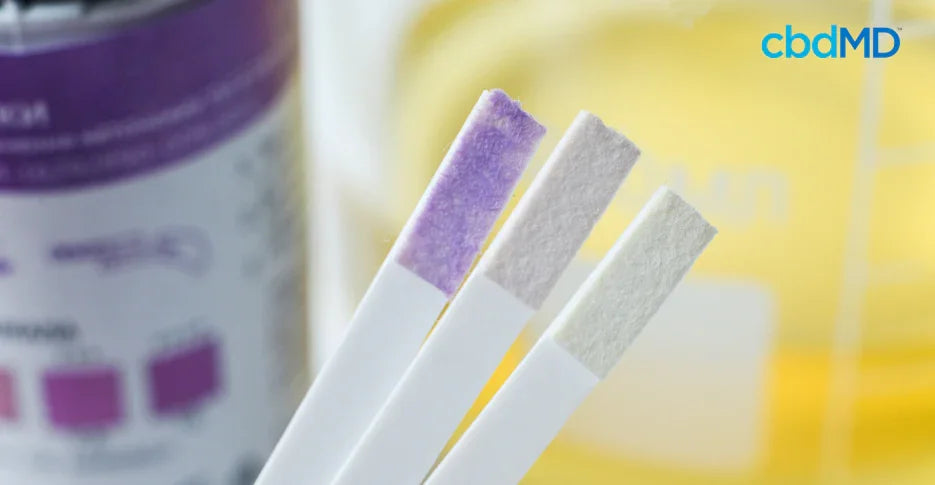
In most cases, standard workplace drug tests do not look for CBD. They look for THC metabolites instead. The issue is that some CBD products may contain small amounts of THC.
While pure CBD is not typically targeted in drug screenings, users may still test positive for marijuana if their CBD products contain trace amounts of THC.
Cannabidiol (CBD) products are commonly used for stress, sleep, discomfort relief, and overall wellness. At the same time, many workplaces still carry out routine drug testing. Because of this, a lot of workers assume using CBD is automatically safe when it comes to drug tests.
In most cases, standard workplace drug tests do not look for CBD. They look for THC metabolites instead. The issue is that some CBD products may contain small amounts of THC, even when the label claims otherwise. In some situations, that can lead to a positive test result.
This guide explains how workplace drug testing works, which CBD products carry higher risk, why unexpected positive results happen, and what workers can do to lower their chances of failing a drug test. It also covers product types, testing methods, and how to confirm what is actually in the CBD products you use.
Quick Answer: Does CBD Show On A Drug Test?
No, routine workplace drug tests are not designed to detect CBD. Most standard tests look for THC metabolites, especially THC-COOH, which is produced after the body processes THC.
However, many CBD products are not completely THC-free. Even hemp-derived CBD products can legally contain trace amounts of THC under federal guidelines in the United States. The current federal hemp definition allows up to 0.3% delta-9 THC by dry weight under the 2018 Farm Bill. Some at home tests may have false positives due to detection of cannabinoids, rather than THC.
So, using a product with even legal levels of THC can lead to a positive result if it builds up in your system.
How Workplace Drug Testing Works
-
Urine Testing: Urine testing is the most common workplace drug test. It detects THC metabolites, not THC or CBD itself. Many tests use a cutoff of 50 ng/mL for THC metabolites. If the concentration of THC metabolites is below this number, the test is marked negative. Because these metabolites stay in the body for some time, urine tests can detect cannabis use longer than blood or saliva tests.
-
Blood Testing: Blood tests are less common because they are more invasive and costly. These tests measure active THC in the bloodstream and mainly detect recent exposure. They have a short detection window and are often used after workplace accidents or cases involving suspected impairment.
-
Saliva Testing: Saliva, or swab, tests look for recent THC use, usually within the last 24 to 48 hours. They are quick and easy to administer and are more commonly used in roadside checks or some employment screenings than in routine workplace testing.
- Hair Testing: Hair testing can detect THC use for up to 90 days or longer. It is harder to pass if THC-containing products have been used regularly. Although less common, hair tests may be used in safety-sensitive industries or high-security roles
CBD And Drug Tests: Key Points For Workers
CBD itself is not usually likely to cause a positive workplace drug test. The main concern is THC exposure from contaminated, mislabeled, or full-spectrum CBD products that may contain up to the legal limit of 0.3% THC.
Workers who use CBD occasionally generally face lower risk than those who use it frequently. THC is fat-soluble, meaning it can build up in the body over time and remain detectable for weeks, especially with daily or high-amount use.
Product quality also matters. Some CBD items marketed as THC-free may still contain trace amounts of THC due to poor manufacturing practices or inaccurate labeling.
Employees using CBD for medical reasons should review workplace drug-testing policies carefully. Some at home tests are not sophisticated enough to differentiate between THC and CBD, leading to a false positive test result. In some situations, informing HR or an occupational health officer before testing may help explain a non-negative result, especially when medical documentation and product lab reports are available.
However, disclosure policies differ between employers and regions, so workers should handle these discussions carefully and professionally.
Which CBD Product Types Can Contain THC?
Different types of CBD products carry different levels of drug-testing risk.
Full-spectrum Hemp Extract
Full-spectrum hemp extract contains multiple compounds from the hemp plant, including cannabinoids, terpenes, and up to 0.3% THC. Because THC is found in the products, they carry the highest risk of producing a positive drug test, especially with regular use.
Broad-spectrum Hemp Extract
Broad-spectrum hemp extract is processed to remove THC while keeping other hemp compounds. These products are meant to be THC-free, but trace amounts may still appear due to contamination or poor manufacturing practices.
CBD isolate
CBD isolate is the purest form of CBD, typically around 99% cannabidiol. Properly manufactured isolates should not contain measurable THC and generally present the lowest drug-testing risk.
Under the 2018 Farm Bill, hemp-derived cannabinoid products are legally allowed to contain less than 0.3% THC by dry weight. Even within this legal limit, repeated exposure may still lead to detectable THC metabolites in some users
Why CBD Might Cause A Positive Drug Test
- Product Mislabeling: The CBD industry is not strictly regulated. Some products may contain more THC than the label claims. Even those advertised as THC-free may still contain detectable THC levels.
- Cross-Contamination: If a facility processes both hemp and high-THC marijuana, trace amounts of THC can end up in CBD batches.
- Secondhand Exposure: While rare, repeated exposure to marijuana smoke in poorly ventilated spaces may slightly increase THC levels in the body.
- Accumulation From Frequent Use: Small amounts of THC from full-spectrum CBD products can build up over time, especially with daily or high-amount use of oils, gummies, tinctures, or edibles.
- Less Sensitive Tests: At home tests may show a false positive for THC after consuming CBD only products because the tests are less sensitive and cannot distinguish between the types of cannabinoids (e.g., THC vs. CBD).
Cross-Contamination And Manufacturing Practices
Manufacturing quality plays a major role in CBD product safety. Contamination can occur when manufacturers use the same equipment for different cannabis extracts. Without proper cleaning, trace THC may carry over into CBD products. Some facilities also process full-spectrum extracts, THC products, and THC-free products using the same equipment. Poor separation practices can increase contamination risk.
To protect yourself, research the brand’s manufacturing controls. Reputable companies follow the current Good Manufacturing Practices (cGMP) and provide clear details on their production standards and how they prevent cross-contamination.
Third-party laboratory testing is also essential. Independent testing helps verify cannabinoid content and confirms whether THC is present.
Always check for a Certificate of Analysis (COA) for every batch you buy. The COA should match the exact product batch being purchased.
Can Pure CBD Or CBD Isolate Cause A Positive?
CBD isolate is pure CBD with all other plant compounds, including THC, removed. When properly manufactured and verified through third-party testing, the risk of a positive drug test is extremely low.
However, labels are not always reliable. Some products marketed as “CBD isolate” have still shown trace THC in independent testing due to poor manufacturing or contamination.
For this reason, a current Certificate of Analysis (COA) is essential. It confirms whether the product is truly THC-free and matches the exact batch being used.
Detection Windows: How Long CBD And THC Metabolites Last
Detection windows depend on amount, frequency of use, metabolism, body fat, and the type of test used. CBD itself is not the target in these tests.
For THC metabolites in urine:
- Occasional use may show for 3-15 days
- Regular use can last 1-3 weeks
- Heavy long-term use may remain for 30 days or longer due to buildup in fat tissue
For blood and saliva tests, detection is much shorter, usually a few hours to about 1-2 days, as they mainly capture recent use.
For hair testing, THC can be detected for up to 90 days.
How To Reduce Risk Before Workplace Drug Testing
To minimize your risk, switch to verified CBD isolate or certified THC-free broad-spectrum products. If you have a drug test scheduled or likely, stop using all hemp products several weeks in advance. This helps allow any possible THC to clear from the body, especially with regular use.
Keep your COAs and product packaging as evidence of what you have been consuming in case you need to contest a result. If you have concerns, consult an occupational health professional to understand your company's specific policies and reduce risks.
Choosing Hemp-Derived CBD Products
- Buy only from reputable suppliers that are transparent about sourcing, manufacturing, and testing. U.S.-grown hemp products are generally more regulated and easier to verify under the Federal Hemp and Farm Bill Summaries.
- Learn how to read a Certificate of Analysis (COA) to confirm THC levels are listed as “ND” (none detected) or below 0.3%. Prefer products certified as THC-free by a third-party lab.
- Review the full ingredient list carefully to ensure there are no hidden additives or potential sources of contamination. Vague labeling, missing lab reports, or unclear claims are warning signs of poor quality or higher risk.
If You Fail A Drug Test After CBD Use
If you receive a positive result, request a confirmatory test using Gas Chromatography-Mass Spectrometry (GC-MS) or a similar advanced method. These tests are more accurate and can distinguish between different compounds.
Provide your product's COA to the medical review officer to show you were using a legal hemp product. You may also want to consult with legal or occupational health counsel to understand your rights regarding hemp use in your state.
FAQs And Common Misconceptions
1. Does CBD show up on standard workplace drug tests?
Standard workplace drug tests generally do not screen for CBD. Most tests target THC metabolites instead. However, less sensitive tests may cross-react for THC when they detect CBD, resulting in a false positive.
2. Can CBD turn into THC in the stomach?
This is a myth. There is no evidence that stomach acid converts CBD into THC in humans.
3. Why does third-party testing matter?
Third-party testing confirms whether a product contains THC, contaminants, or inaccurate labeling, making it important for workers concerned about drug testing.